

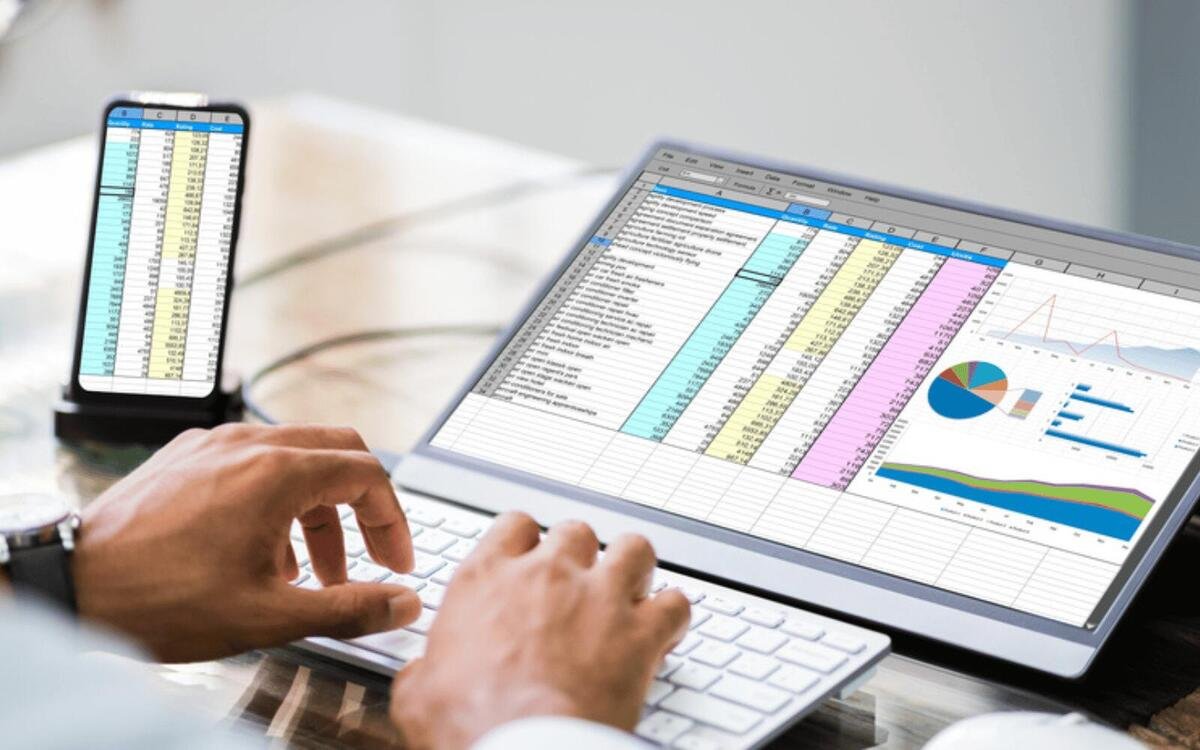
Spreadsheets have been a trusted business tool for decades. They are easy to create, flexible to use, and familiar to most employees. However, as businesses grow, spreadsheets often become a source of inefficiency rather than productivity.
Many organizations continue relying on spreadsheets long after their operational needs have surpassed what spreadsheets can effectively manage.
How do you know when it’s time to move to a business software solution or ERP system?
The Spreadsheet Advantage
For startups and small businesses, spreadsheets offer several benefits:
- Low cost
- Easy setup
- Flexibility
- Familiar user experience
In the early stages, spreadsheets are often sufficient for tracking sales, inventory, expenses, and employee information.
However, growth introduces complexity.
Warning Sign #1: Multiple Versions of the Same File
If employees regularly ask:
“Which version is the latest?”
you likely have a version control problem.
Different copies of spreadsheets stored across devices and departments create confusion and increase the risk of mistakes.
Warning Sign #2: Data Entry Is Repetitive
When the same information must be entered into multiple spreadsheets, productivity suffers.
Employees spend more time updating files than performing valuable business activities.
Warning Sign #3: Reporting Takes Too Long
Many businesses spend hours or even days compiling monthly reports.
If management reports require significant manual effort, your business may benefit from software automation.
Warning Sign #4: Information Is Scattered
Customer data, inventory records, sales reports, and financial information often exist in separate spreadsheets.
This makes it difficult to gain a complete picture of business performance.
Warning Sign #5: Errors Are Increasing
Human errors become more common as spreadsheets grow larger.
Simple mistakes can lead to:
- Incorrect reports
- Inventory mismatches
- Financial discrepancies
- Operational disruptions
Warning Sign #6: Business Growth Is Slowing Operations
As transactions increase, spreadsheets become harder to manage.
Tasks that once took minutes may now take hours.
Growth should improve efficiency—not reduce it.
Warning Sign #7: You Lack Real-Time Visibility
Business decisions require current information.
Spreadsheets often provide yesterday’s data rather than real-time insights.
Modern business software enables instant reporting and live operational monitoring.
How Business Software Solves These Challenges
A dedicated software system can:
- Centralize information
- Automate routine tasks
- Improve reporting accuracy
- Reduce manual work
- Enhance collaboration
- Provide real-time insights
These improvements support better decision-making and business growth.
Is It Time to Upgrade?
If your business experiences multiple challenges listed above, it may be time to consider ERP or business management software.
The transition is not simply about technology—it is about improving operational efficiency and creating a foundation for future growth.
Conclusion
Spreadsheets are valuable tools, but they are not always the best long-term solution. As organizations grow, dedicated business software becomes increasingly important for managing operations effectively.
Recognizing the signs early can help businesses avoid inefficiencies and position themselves for sustainable success.